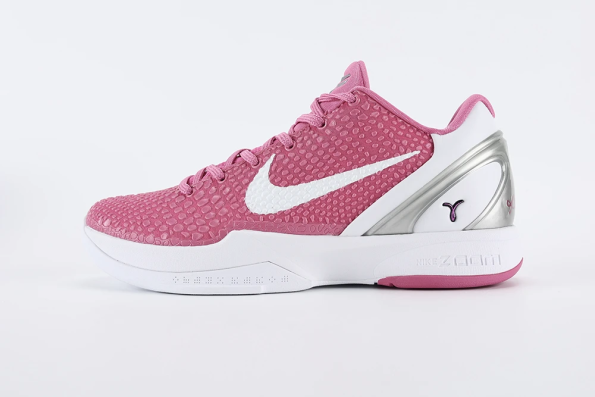
In recent years, the topic of sneaker health has sparked ongoing discussions across the internet, with both new terminology and old narratives resurfacing time and again. Generally, opinions fall into two distinct camps:
One group firmly opposes sneakers that may pose health risks, advocating for awareness and urging consumers to avoid such products in order to prevent potential long-term physical issues.
The other group believes these design concerns are often overstated, arguing that most related health problems stem from long-term factors and should not be blamed on a single pair of sneakers.
From our perspective, we do not take a definitive stance, but instead strive to acknowledge and respect both sides of the discussion.
For those who raise concerns about the potential health risks of certain sneakers, we believe that in most cases, their intention is genuinely rooted in care for others’ well-being. Whether or not their arguments are exaggerated or fully supported by evidence, their message is much like the advice from grandparents telling you to sleep early, eat healthy, or wear an extra layer in cold weather. These are well-meaning reminders — even if you end up staying up late and enjoying it, it doesn’t invalidate their concern, nor does it diminish your freedom to choose.
On the other hand, those who challenge or partially disagree with the health-related theories often do so out of concerns about the lack of rigorous conclusions or insufficient factual evidence. Their perspective is more analytical and dialectical — aiming for rational discussion rather than simply echoing popular opinions.
Setting aside those who chase attention or deliberately create conflict, we believe that both sides of this debate bring value. In fact, such constructive dialogue relies on the coexistence of differing viewpoints — one cannot exist meaningfully without the other.
If it weren’t for the attention around sneakers, many people might never have encountered terms like hallux valgus, misaligned force lines, or plantar fasciitis. In a way, the current debate has actually helped raise public awareness about these issues — and that’s not necessarily a bad thing.
If we are to truly emphasize health concerns, we believe the focus should be on adolescents and those still in physical development. This is where potential risks are more impactful and worth addressing. After all, as the saying goes, “what’s set at age 3 shapes you at 80” — and the sports habits formed at age 8 can shape who you are at 30.
If you take the time to look back at hypeunique early educational posts, you’ll find terms like “the three anti-rollover factors” and “Booker Trap” — all of which are considerations that parents should pay attention to when choosing basketball shoes for their children.
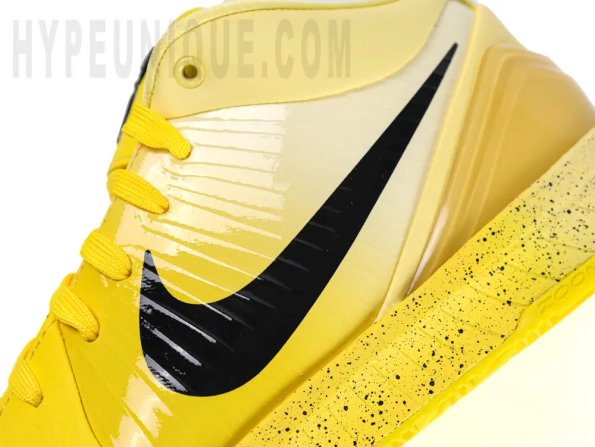
The midsoles of all Kobe series are very low, which is not easy to cause sprains and is suitable for breakthrough players.
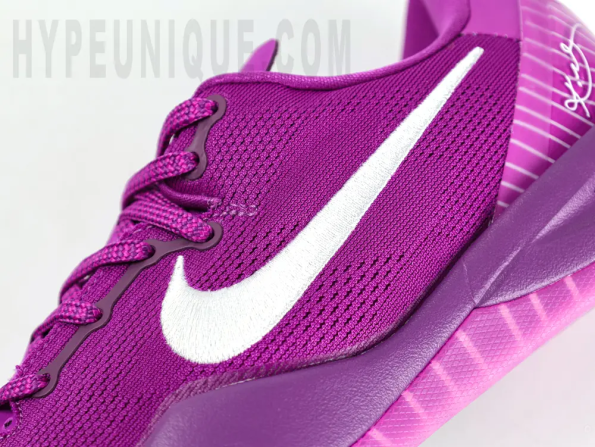
As mentioned earlier, sneakers designed specifically for adolescents are often far more suitable for students than high-performance models equipped with carbon plates or other advanced features that come with a learning curve.
Parents should avoid blindly chasing signature models, expensive shoes, or high-spec designs for their children. Since young bodies are still developing, the primary consideration when selecting footwear should always be solid support and overall stability.